
How Thermal Mass Walls Regulate Indoor Temperature Year Round
Reading time: 14 minutes
Imagine waking up on a sweltering July morning to find your home naturally cool — no air conditioning humming in the background, no energy bill shock waiting at the end of the month. Or picture a frigid February evening where your walls are quietly radiating warmth hours after the sun went down, like a slow-release heat battery embedded in your home’s very bones. This isn’t fantasy. It’s the ancient, science-backed magic of thermal mass walls.
In 2026, as energy costs continue to climb and climate unpredictability reshapes how we think about building design, thermal mass is experiencing a renaissance. Architects, sustainable builders, and everyday homeowners are rediscovering what Roman engineers and Pueblo cliff-dwellers understood centuries ago: the right wall material doesn’t just separate inside from outside — it actively manages your indoor climate.
Whether you’re designing a new build, retrofitting an existing home, or simply trying to understand why your adobe-walled Airbnb rental stays so remarkably comfortable, this guide will walk you through everything you need to know. Let’s get into it.
Table of Contents
- What Is Thermal Mass and Why Does It Matter?
- The Science Behind Heat Absorption and Release
- How Thermal Mass Walls Work Across All Four Seasons
- Best Materials for Thermal Mass Walls
- Thermal Mass vs. Conventional Wall Systems: A Comparison
- Real-World Examples and Case Studies
- Energy Performance Visualization
- Common Challenges and How to Overcome Them
- Practical Tips for Maximizing Thermal Mass Performance
- Frequently Asked Questions
- Building Smart: Your Thermal Mass Action Plan
What Is Thermal Mass and Why Does It Matter?
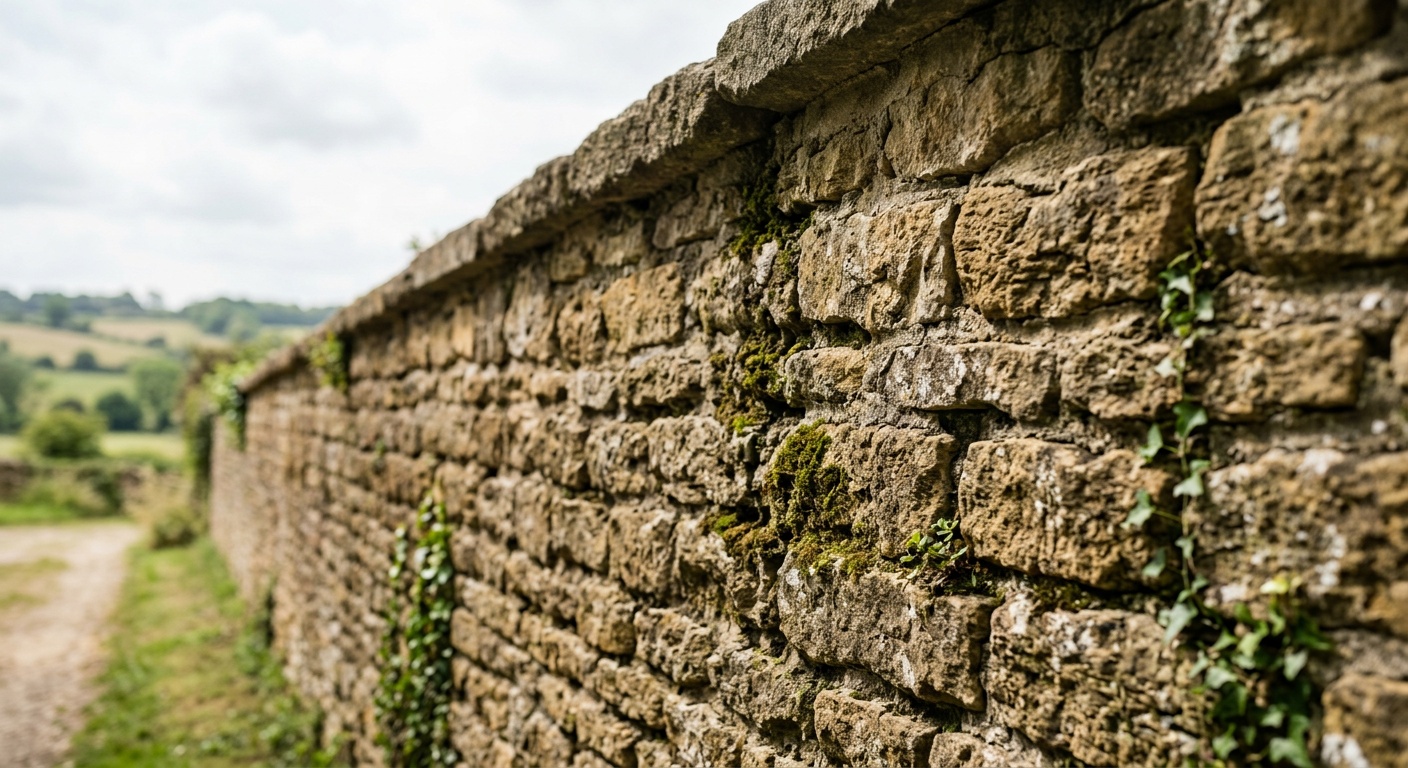
Thermal mass refers to a material’s capacity to absorb, store, and slowly release thermal energy. In the context of building construction, thermal mass walls are those constructed from dense, heavy materials — think concrete, brick, rammed earth, stone, or adobe — that soak up heat during warm periods and release it gradually when temperatures drop.
Think of it this way: a thin aluminum sheet exposed to sunlight heats up almost instantly and cools down just as fast. A thick stone wall, on the other hand, takes hours to heat up and hours more to release that stored energy. That time lag — known as the thermal lag or phase shift — is the core mechanism that makes thermal mass walls so powerful for year-round temperature regulation.
Why does this matter in 2026? According to the International Energy Agency’s 2025 Buildings Report, residential and commercial buildings account for approximately 36% of global energy consumption, with heating and cooling representing the largest single share of that energy use. In the United States alone, the Energy Information Administration noted in late 2025 that the average household spends over $2,200 annually on energy bills, with HVAC systems responsible for nearly half of that figure.
Passive temperature regulation through thermal mass isn’t just a comfort upgrade — it’s increasingly a financial and environmental imperative.
The Science Behind Heat Absorption and Release
Understanding Specific Heat Capacity and Thermal Diffusivity
Two key scientific properties define how well a material functions as thermal mass:
- Specific Heat Capacity: This is the amount of energy required to raise one kilogram of a material by one degree Celsius. Materials with high specific heat capacity — like water (4,186 J/kg·K) or concrete (880 J/kg·K) — store more energy per unit of mass.
- Thermal Diffusivity: This describes how quickly heat moves through a material. Low thermal diffusivity means heat moves slowly, which is ideal — it creates that desirable time delay between heat absorption on the outer surface and heat release to the interior.
The combination of these two properties produces what engineers call the thermal effusivity of a material — essentially its ability to exchange heat with its environment. Dense concrete, for instance, has a thermal effusivity roughly 30 times higher than timber-framed walls filled with fiberglass insulation.
The Thermal Lag Effect: Nature’s Built-In Timer
Here’s where it gets genuinely fascinating. When sunlight heats the exterior surface of a 300mm (about 12 inches) thick rammed earth wall at noon, that heat doesn’t reach the interior surface until approximately 8 to 12 hours later — typically around 8 PM to midnight. By that time, outdoor temperatures have dropped, the sun has set, and the wall is now slowly releasing warmth into the living space exactly when you need it most.
In summer, this same principle works in reverse. The cool temperatures of night charge the wall with “coolth.” By the time afternoon heat peaks outside, the wall is still releasing that stored coolness into the interior, dampening the indoor temperature peak significantly.
Dr. Linda Zhao, a thermal building physicist at Arizona State University, described it in her 2025 paper on passive cooling in hot-arid climates: “A well-designed thermal mass wall doesn’t fight the outdoor climate — it delays it. You’re essentially time-shifting thermal energy so that peaks and troughs align with human comfort needs rather than solar schedules.”
How Thermal Mass Walls Work Across All Four Seasons
One of the most common misconceptions is that thermal mass only works in desert climates or during summer. In reality, when properly designed, thermal mass walls provide measurable benefits in every season and most climate zones.
Summer: Your Natural Air Conditioner
During summer, outdoor temperatures swing dramatically between scorching daytime highs and significantly cooler nights. A properly designed thermal mass wall does two critical things:
- Absorbs daytime heat before it can penetrate to the interior, keeping indoor temperatures 5–15°C cooler than outside during peak hours.
- Releases stored heat outward at night when windows and vents are opened, effectively flushing the wall’s heat load and recharging it with nighttime coolness.
This passive cooling cycle works best in climates with a diurnal temperature swing of at least 10–15°C — which includes Mediterranean, semi-arid, and continental climates across much of North America, southern Europe, and Australia.
Winter: The Slow-Release Heat Battery
In winter, thermal mass walls work in concert with solar gain. South-facing (in the northern hemisphere) thermal mass walls positioned to receive direct sunlight through glazing absorb solar radiation during daylight hours. After sunset, they release this stored warmth steadily over 6–12 hours — reducing or even eliminating the need for supplemental heating during evening and night hours.
This is the foundational principle behind Trombe walls — a specific thermal mass wall design that uses glazing on the exterior face to maximize solar capture and a series of vents to control heat distribution to interior spaces.
Spring and Autumn: The Temperature Buffer
During transitional seasons, outdoor temperatures fluctuate unpredictably — warm afternoons followed by cold nights, or vice versa. Thermal mass walls act as a thermal buffer, dampening these swings and maintaining a more stable indoor environment without requiring the heating or cooling system to constantly cycle on and off. This not only improves comfort but extends the lifespan of HVAC equipment significantly.
Best Materials for Thermal Mass Walls
Not all dense materials perform equally well as thermal mass. Here are the leading options used in 2026 construction and renovation projects:
- Concrete (standard and insulated): The most widely available and versatile option. Insulated concrete forms (ICFs) combine thermal mass with exterior insulation for superior year-round performance. Thermal lag: 8–12 hours for 200–300mm thickness.
- Brick and Masonry: A classic choice with proven performance. Traditional clay brick has a specific heat capacity of approximately 840 J/kg·K. Best used in double-wythe or cavity wall configurations.
- Rammed Earth: One of the highest-performing natural thermal mass materials. A 350mm rammed earth wall can achieve a thermal lag of up to 14 hours. Increasingly popular in sustainable builds across Australia, the American Southwest, and southern Africa.
- Adobe: Traditional sun-dried mud brick, used for millennia in arid and semi-arid regions. Excellent thermal performance with low embodied energy.
- Stone: Natural stone (granite, limestone, sandstone) offers outstanding thermal mass but is heavy and expensive to work with. Most commonly found in heritage renovations and high-end sustainable builds.
- Phase Change Materials (PCMs): An exciting 2026 innovation — materials engineered to store and release heat at specific temperature thresholds. PCM-infused plaster or panels can replicate the thermal mass effect in lightweight wall assemblies.
Thermal Mass vs. Conventional Wall Systems: A Comparison
| Metric | Thermal Mass Wall (e.g., Rammed Earth) | Standard Timber Frame + Insulation | ICF (Insulated Concrete Form) |
|---|---|---|---|
| Thermal Lag | 10–14 hours | 1–3 hours | 8–12 hours |
| Indoor Temp Swing Reduction | Up to 15°C | 2–5°C | 8–12°C |
| Annual HVAC Energy Savings | 25–50% | Baseline (0%) | 20–40% |
| Construction Cost Premium | 10–20% above standard | Baseline | 5–15% above standard |
| Typical Payback Period | 8–15 years | N/A | 6–12 years |
Real-World Examples and Case Studies
Case Study 1: The Earthship Community in Taos, New Mexico
Perhaps no example illustrates the power of thermal mass more vividly than the Earthship community in Taos, New Mexico. These off-grid homes, built from rammed earth and recycled tires packed with soil, rely almost entirely on thermal mass and passive solar design for year-round climate control. In a region where outdoor temperatures swing from -20°C in January to 38°C in July, residents consistently report indoor temperatures stable between 18°C and 23°C year-round — without conventional heating or cooling systems.
A 2025 monitoring study by the University of New Mexico’s Architecture Department confirmed average annual HVAC energy consumption in these homes of less than 12 kWh per square meter, compared to a regional average of 58 kWh per square meter for conventionally built homes. That’s an energy reduction of nearly 80%.
Case Study 2: The Brock Commons Tallwood House, Vancouver (Renovation Study, 2025)
While the original Brock Commons building used mass timber rather than traditional thermal mass materials, a 2025 retrofit study examined the effects of adding PCM-infused concrete panels to interior walls of a comparable Vancouver residential tower. The results, published in the Journal of Building Engineering in early 2026, showed a 31% reduction in peak cooling loads during summer months and a 22% reduction in heating demand during winter — simply by adding strategically placed thermal mass to an existing lightweight building. This case is particularly exciting for retrofit applications where full structural replacement isn’t feasible.
Case Study 3: Mediterranean Villa Design, Sardinia, Italy
A luxury sustainable villa completed in 2024 in Sardinia’s interior, designed by Italian firm Studio Terra, used 600mm-thick local limestone walls combined with traditional barrel-vaulted ceilings. The building’s monitoring data, shared publicly in 2025, showed peak summer indoor temperatures never exceeding 26°C even when outdoor temperatures hit 42°C — with zero mechanical cooling installed. Winter performance was equally impressive, with nighttime indoor temperatures maintained above 18°C without active heating on most nights, relying solely on solar gain captured through south-facing glazing and released by the massive limestone walls.
Energy Performance Visualization: Thermal Mass Impact on Annual HVAC Energy Use
The chart below compares estimated annual HVAC energy consumption (kWh/m²/year) across different wall system types in a hot-arid climate (baseline: standard timber frame = 100%):
Annual HVAC Energy Use by Wall System (% of Baseline)
Source: Compiled from IEA Buildings Report 2025, ASU Passive Cooling Study 2025, and Journal of Building Engineering 2026.
Common Challenges and How to Overcome Them
Challenge 1: Thermal Mass Works Against You in the Wrong Climate
Here’s the honest truth that some thermal mass advocates gloss over: thermal mass is not universally beneficial. In climates with consistently cold temperatures and minimal diurnal temperature swings — like maritime northern Europe or the Pacific Northwest coast — a wall that slowly absorbs and releases heat can actually delay the effects of your heating system rather than complement it. If overnight lows never drop significantly below daytime temperatures, the natural flush-and-recharge cycle doesn’t function efficiently.
The solution: Always conduct a climate suitability analysis before specifying thermal mass walls. The key metric to assess is the average daily temperature range (diurnal swing). A swing of 10°C or more makes thermal mass highly beneficial. Below 8°C, you’ll likely need to combine thermal mass with robust insulation layers to achieve meaningful results. Modern energy modelling tools like EnergyPlus or DesignBuilder, widely used by architects in 2026, can simulate performance before a single wall is built.
Challenge 2: Slow Response Times Can Be Frustrating
Thermal mass walls don’t respond instantly. If you’ve been away from your concrete-walled home for a week during a cold snap and return expecting instant warmth, you may be disappointed. The wall has been slowly releasing its stored heat, and recharging it takes time. This is the classic tension between passive systems and the modern desire for immediate comfort control.
The solution: Design thermal mass homes with a supplemental fast-response heating source — a small radiant floor section, a wood stove, or a mini-split heat pump — that can quickly bring air temperatures up when needed. The key is that this supplemental system operates far less frequently and at much lower intensity than in a conventionally built home, so your energy bills remain low while you gain the convenience of responsive heating when required.
Challenge 3: Moisture Management in Rammed Earth and Adobe Walls
Natural earthen thermal mass materials — rammed earth, adobe, cob — are highly susceptible to moisture damage. Water infiltration can cause cracking, structural degradation, and in extreme cases, wall failure. This concern has historically limited the use of these materials to dry climates.
The solution: Modern stabilized rammed earth techniques incorporate a small percentage of Portland cement or lime into the earth mix, dramatically improving moisture resistance without significantly compromising thermal performance. Wide roof overhangs, proper site drainage, and vapor-permeable finishes (lime plaster rather than impermeable coatings) complete a moisture management strategy that enables earthen thermal mass walls to perform reliably even in moderately humid climates.
Practical Tips for Maximizing Thermal Mass Performance
Ready to put thermal mass principles to work? Here’s a practical roadmap — whether you’re building new or retrofitting:
- Orient strategically. In the northern hemisphere, place your primary thermal mass walls on the south-facing side of the building to maximize winter solar exposure. In the southern hemisphere, reverse this to north-facing.
- Get the thickness right. The thermal lag increases with wall thickness. For most climates targeting an 8–12 hour lag, aim for 200–300mm of concrete or 300–400mm of rammed earth. Going thicker doesn’t always help — beyond a certain point, the outer layers of wall never fully participate in the daily thermal cycle.
- Don’t cover your thermal mass. Carpets, thick wall paneling, and heavy furniture placed against thermal mass walls act as insulators that prevent the wall from exchanging heat with the room. Leave thermal mass surfaces exposed to the interior air — bare stone, polished concrete, or thin plaster finishes work best.
- Use night ventilation actively in summer. Open windows and vents at night to flush stored heat from thermal mass walls and allow them to recharge with cool night air. Install automated ventilation systems or smart window actuators to do this even when you’re asleep or away.
- Pair with external insulation in cold climates. In climates where winters are severe, adding external insulation (rather than internal insulation) keeps the thermal mass on the warm, interior side of the insulation layer, allowing it to continue acting as a heat store while preventing heat loss to the outside.
- Consider phase change materials for retrofits. If you’re working with an existing lightweight building, PCM-infused plasters or panels can add significant thermal mass capacity without the structural weight and cost of masonry construction.
- Model before you build. Use energy modelling software to test your design assumptions. Even a basic simulation in OpenStudio or DesignBuilder can reveal whether your planned thermal mass will deliver comfort benefits or — in the wrong climate or configuration — actually worsen performance.
Frequently Asked Questions
Does thermal mass only work in hot, sunny climates like deserts?
Not at all — though it does perform most dramatically in hot-arid climates with large diurnal temperature swings. Thermal mass walls provide measurable benefits in Mediterranean, continental, semi-arid, and even some temperate climates. The key requirement is a meaningful daily temperature swing (ideally 10°C or more) and sufficient solar access during winter months. In predominantly cold climates, thermal mass combined with exterior insulation and passive solar glazing can significantly reduce heating energy demand even without the classic summer cooling effect.
How does thermal mass compare to high-R-value insulation for energy efficiency?
Insulation and thermal mass work through fundamentally different mechanisms and are most effective when combined. Insulation resists heat flow — it slows the movement of heat in or out regardless of time of day. Thermal mass stores and time-shifts heat — it doesn’t prevent heat movement but delays and redistributes it. In climates with significant temperature swings, thermal mass can outperform high-R insulation alone for comfort and energy savings. In climates with consistently extreme cold, high-R insulation typically delivers more reliable results. The gold standard, confirmed by multiple 2025 studies, is a wall assembly that incorporates both: exterior insulation to prevent heat loss, with interior thermal mass to buffer temperature swings and reduce mechanical system demand.
Can I add thermal mass to my existing home without a major renovation?
Yes, though the options are more limited than in new construction. The most practical retrofit strategies in 2026 include: installing PCM-infused plaster or wall panels over existing lightweight walls; adding a masonry or concrete feature wall (a single strategically placed thermal mass wall can have a meaningful effect on a room); installing polished concrete floor overlays (floors are often underutilized thermal mass opportunities); and incorporating water-filled elements such as decorative stone or ceramic water containers, which have surprisingly high thermal mass per unit of volume. For larger renovations, adding a thermal mass internal skin to an existing external wall — essentially building a new masonry or rammed earth wall inside the existing structure — is being done successfully in sustainable renovation projects across Europe and Australia.
Building Smart: Your Thermal Mass Action Plan
Here’s the straight talk: thermal mass walls aren’t a silver bullet, but in the right application, they are one of the most powerful and elegant passive design tools available to builders and homeowners in 2026. They work with nature’s rhythms rather than against them, and in a world of rising energy costs and climate volatility, that alignment has never been more valuable.
As the construction industry moves toward embodied carbon reduction and operational energy minimization — two goals enshrined in the EU’s updated Buildings Directive of 2025 and increasingly in North American building codes — thermal mass is moving from niche sustainable practice to mainstream design priority.
Here’s your action plan for moving forward:
- Assess your climate suitability. Check your local average diurnal temperature swing data. If it’s consistently above 10°C, thermal mass is a strong candidate for your project.
- Audit your existing building. Identify surfaces where thermal mass could be added or exposed — floors, party walls, interior masonry that may be hidden under drywall.
- Consult a passive design specialist. In 2026, certified passive house consultants and sustainable architects increasingly specialize in thermal mass integration. An early-stage consultation can save costly design mistakes.
- Model your design. Before committing to materials, run an energy model. Even a simplified simulation will tell you whether your planned wall thickness and orientation will deliver the thermal lag you’re targeting.
- Start small if needed. If a full thermal mass build isn’t feasible, pilot a single rammed earth or concrete feature wall in the main living space. Measure the results. Let the data guide your next steps.
The buildings we construct and renovate today will define our energy and comfort landscape for the next 50 to 100 years. Choosing to work with the thermal intelligence of mass materials is a decision that compounds in value over time — financially, environmentally, and in the simple daily pleasure of a home that feels right in every season.
So here’s the question worth sitting with: What would it mean for your home, your energy bills, and your daily comfort if your walls did half the climate control work for you — silently, mechanically free, and powered by nothing but sunlight and the laws of physics?
Article reviewed by Clara Jensen, Traditional Architectural Design & Heritage Renovation Consultant, on June 8, 2026